Exploring Insurance Services: How They Safeguard Your Life and Well-Being
Insurance coverage is vital in providing financial security against unforeseen occurrences. They encompass various types, such as homeowners, health, and auto coverage, designed to handle specific risks. Understanding how these services operate is necessary for those looking to protect their assets and well-being. As individuals navigate the complexities of insurance, they may find themselves questioning what coverage is best for their circumstances. The answers could significantly affect their future safety and stability.
Grasping the Various Types of Insurance
Many people recognize the importance of insurance, knowing the various types can be a challenge. Insurance is a wide-ranging field encompassing multiple categories, each created to meet specific needs. For example, health insurance, provides coverage for medical expenses, offering people access to healthcare services. Automobile insurance guards against financial loss in the event of theft or vehicle accidents. Home insurance protects property against damage or loss due to events like fire or theft. Life coverage provides monetary support to loved ones when the policyholder passes away, making sure their loved ones are provided for. In addition, there are specialized types such as disability insurance, which offers replacement income if an individual cannot work due to illness or injury. Each category has a distinct function, showing the importance of assessing personal needs to pick the best coverage. Grasping these differences is crucial for making educated choices about insurance options.
How Insurance Works: The Basics
To comprehend insurance operations, one must know the basic principle of managing risk. Insurance operates on the concept of pooling risk among many individuals. When a person purchases an insurance policy, they must pay a premium in exchange for coverage for potential monetary losses. This system allows insurance companies to collect funds from a large pool of insured individuals, building up capital to cover claims from policyholders incurring damages.
The process begins as people evaluate their personal risks and pick the right insurance policies. Carriers subsequently analyze these potential hazards, calculating costs considering elements such as age, health, and lifestyle. Through the sharing of financial risk over a wide population, coverage reduces the effect of unexpected events such as illnesses, accidents, or catastrophes. In the end, this framework offers insured individuals confidence, knowing they have a safety net available if unexpected events occur.
The Benefits of Having Insurance Coverage
Being insured delivers a multitude of upsides that substantially improve financial security and peace of mind. A key advantage is the security it delivers from sudden economic costs, for instance, damage to property or healthcare costs. This protection enables people to control exposures efficiently, certain they have aid when crises arise. Furthermore, insurance protection helps grant the ability to use vital services, like health services, which might otherwise be unaffordable.
Moreover, possessing coverage helps cultivate greater life consistency, enabling individuals to focus on their goals without continually stressing about possible economic difficulties. Insurance can also improve one's credit standing, because financial institutions frequently regard see the full story clients with coverage in a better light. Overall, insurance serves as a critical tool for handling potential hazards, promoting resilience and confidence in facing life's uncertainties and protecting general welfare.
Selecting the Best Coverage for Your Situation

How can individuals navigate the complex landscape of insurance options to find the coverage that best suits their unique circumstances? First, they should assess their specific needs, considering factors such as health conditions, family size, and monetary commitments. This evaluation helps narrow down the types of insurance required, whether it be health, life, auto, or homeowners insurance.
Subsequently, people should investigate different carriers and compare their offerings, concentrating on premiums, deductibles, coverage limits, and policy terms. Consulting consumer testimonials and seeking recommendations may also offer useful information.
Budget considerations are essential; people must select coverage that balances adequate coverage with affordability. Additionally, knowing the fine print of each policy makes certain that there are fewer unforeseen problems during the claims process. By taking these steps, individuals can make informed decisions, finding the ideal insurance protection that fits their specific needs and financial goals.
The Outlook for Insurance: Emerging Patterns
The future of insurance is poised for significant transformation, driven by emerging technologies and shifting consumer expectations. Insurers are progressively implementing artificial intelligence and machine learning to improve risk evaluation and make processing claims more efficient. These innovations enable personalized policies tailored to individual needs, fostering customer loyalty and satisfaction.
Furthermore, the rise of insurtech startups is redefining standard insurance approaches, promoting agility and competitive pricing. Blockchain technology is also gaining traction, promising greater transparency and security in transactions.
Moreover, as consumers become more environmentally conscious, demand for sustainable insurance products is rising. Insurers are developing new ways to provide protection that is consistent with eco-friendly practices.
Telematics and wearables are continuing to transform health and auto insurance, offering instant information that can help calculate premiums precisely. In summary, the insurance landscape is changing quickly, focusing on ease, personalization, and sustainability for a new generation of policyholders.
Frequently Asked Questions
What Action is Required After Experiencing a Loss Covered by Insurance?
When suffering a covered loss, an individual should quickly contact their insurance provider, document the damage, obtain supporting documentation, and file a claim, ensuring to keep records of all communications throughout the process.
How Are Insurance Premiums Calculated for Different Individuals?
Insurance premiums are calculated based on factors such as age, health, location, coverage amount, and hazard appraisal. Insurers analyze these variables to assess the probability of a payout, thereby setting appropriate premium rates for individuals.
Is It Possible to Modify My Policy During the Term?
Yes, individuals can typically alter their plan mid-term. Conversely, this procedure might differ based on the insurance provider's provisions, which might impact coverage, premiums, or requiring the payment of fees for revisions performed.
Which Exclusions are Standard in Policy Contracts?
Typical limitations in insurance policies often feature pre-existing conditions, deliberate harm, military conflicts, natural disasters, and certain high-risk activities. Insured individuals must thoroughly examine their policies to comprehend these boundaries and prevent unforeseen rejections.
In What Way Do Deductibles Impact The Claims I File?
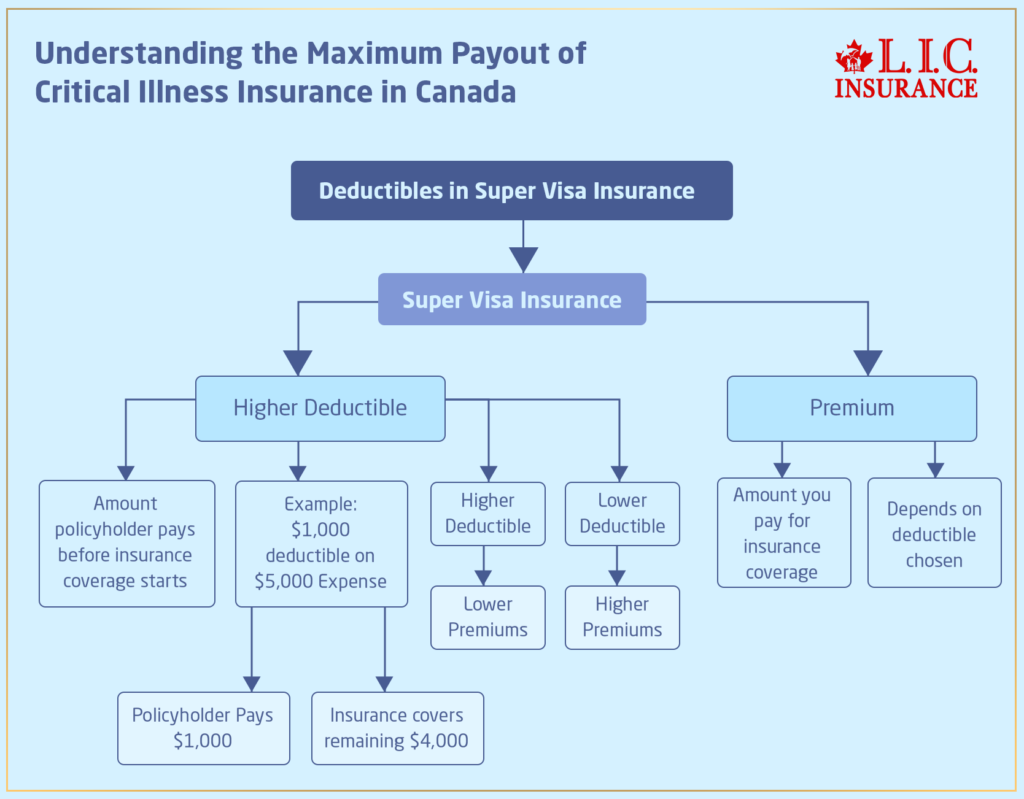
Deductibles lower the insurer's payout amount by requiring policyholders to cover a specified initial cost before the claim is finalized. This significantly affects the total reimbursement received, influencing the overall financial responsibility in claims situations.